



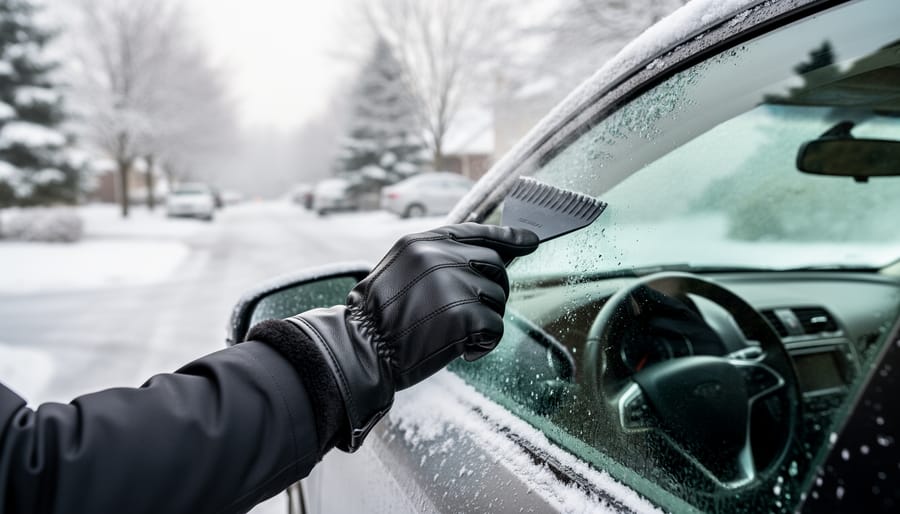
The right pair of winter driving gloves keeps your hands warm without sacrificing your ability to grip the wheel, shift gears, or operate touchscreen controls. Canadian winters demand gloves that balance insulation with dexterity, and after reviewing dozens of options available to shoppers across the country, the standout choices include heated gloves for extreme cold commutes, touchscreen-compatible leather gloves for urban drivers, and insulated work gloves for those who need rugged durability. Finding that sweet spot matters because bulky ski gloves leave you fumbling with your gear shift, while thin gloves won’t cut it during a February cold snap when you’re scraping ice off your windshield.
The challenge is real. You need enough warmth to handle roadside emergencies or vehicle maintenance, but enough grip sensitivity to feel the steering wheel and operate everything from your best dash cams to your climate controls. Many drivers keep multiple pairs in their vehicle, switching between a lighter pair for active driving and heavily insulated gloves for dealing with winter conditions outside the car.
This guide breaks down the top winter driving gloves available to Canadian buyers in 2026, organized by driving style and weather severity, so you can match your gloves to how you actually use your vehicle through our long winter months.
Table of Contents
What Makes a Good Winter Driving Glove
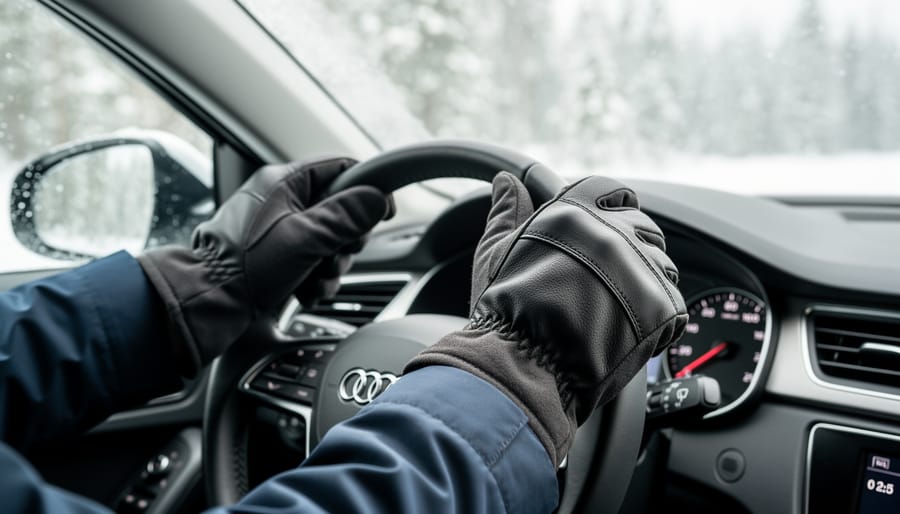
A regular pair of winter gloves won’t cut it behind the wheel. Winter driving gloves are purpose-built to solve a specific problem: keeping your hands warm enough to stay comfortable while maintaining the precision grip and finger control you need to operate a vehicle safely.
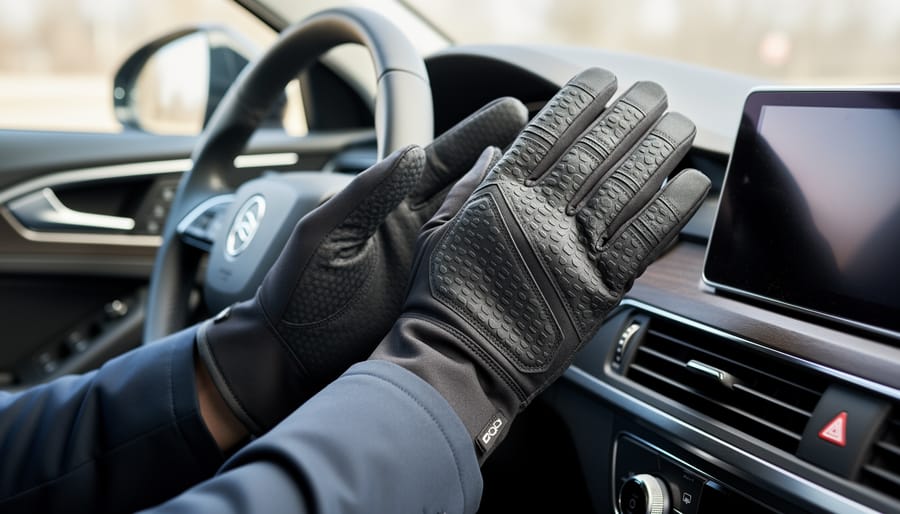
The most critical feature is enhanced grip. Quality driving gloves use textured leather palms, silicone patterns, or specialized synthetic materials that maintain friction against the steering wheel even when wet from snow or condensation. This matters in Canadian winters because slippery hands on a frozen steering wheel can mean the difference between smooth control and dangerous overcorrection on icy roads.
Tactile sensitivity comes next. You need to feel the steering wheel’s feedback, operate turn signals without fumbling, and adjust climate controls without looking away from the road. Good driving gloves stay thin enough in key areas, particularly the fingertips and palm, to preserve that connection to your vehicle’s controls. Bulky mitts might be warmer, but they’re useless when you can’t grip your keys or shift gears.
Warmth without excessive bulk is the balancing act that separates great driving gloves from mediocre ones. Modern insulation materials like Thinsulate or PrimaLoft trap heat efficiently in slim profiles, keeping your hands comfortable in -20°C without turning them into clumsy clubs.
Touchscreen compatibility has become essential rather than optional. Canadian drivers need to use GPS navigation, answer calls safely, or adjust music without exposing bare skin to frigid air. The best driving gloves incorporate conductive material in at least the thumb and index finger.
Finally, quick on/off capability matters more than you’d think. When you’re pumping gas in a snowstorm or scraping ice, you want gloves that slip on and off easily without fighting tight cuffs or complicated closures. Velcro straps or elastic wrists work better than stiff zippers that freeze shut.
Our Selection Criteria
We evaluated dozens of winter driving gloves through hands-on testing in real Canadian winter conditions and extensive research into verified user reviews from fellow Canadian drivers. Our goal was simple: identify gloves that genuinely keep your hands warm without sacrificing the control you need to drive safely.
Here’s what we prioritized when selecting our top picks:
- Cold weather performance down to -30°C or lower, tested in actual Canadian winter conditions
- Steering wheel grip quality on leather, vinyl, and plastic-wrapped wheels, both dry and with moisture
- Tactile sensitivity for operating touchscreens, turn signals, wipers, and climate controls without fumbling
- Materials and construction quality, including stitching durability and insulation effectiveness over time
- Availability through Canadian retailers or reasonable shipping to Canada
- Verified feedback from Canadian drivers who’ve used these gloves through at least one winter season
- Value for money, balancing features against price across different budget ranges
We cross-referenced professional gear reviews with real-world experiences shared by drivers across provinces, from mild coastal BC winters to brutal prairie cold snaps. We also considered how gloves performed after repeated use, not just out of the package. Any glove that compromised steering control or made you choose between warmth and safety didn’t make our list, regardless of brand reputation or price point.
Top Winter Driving Gloves for 2026
Best Overall:
The Outdoor Research Stormtracker gloves earn our top recommendation for their exceptional balance of warmth and control. These gloves feature a goatskin leather palm that provides excellent steering wheel grip even in wet conditions, paired with a waterproof Gore-Tex insert and PrimaLoft Gold insulation rated for temperatures down to -20°C.
What sets them apart is the built-in touchscreen compatibility on thumb and index finger that actually works in frigid weather, unlike many competitors. The gauntlet-style cuff with one-handed drawcord adjustment keeps snow out during vehicle entry, while the pre-curved fit reduces hand fatigue on long drives.
Canadian drivers from Calgary to Halifax consistently praise their durability through multiple winters. One Ontario driver noted they maintained grip sensitivity even after two seasons of daily commuting. At $89-110 depending on retailer, they represent solid value for serious winter conditions. Available at Mountain Equipment Co-op, The Last Hunt, and Atmosphere locations across Canada.
Best Value:
For drivers watching their budget without sacrificing performance, the Mechanix Wear Winter Impact gloves deliver surprising value at around $35-45. These synthetic gloves combine fleece lining with a wind-resistant outer shell that handles typical Canadian winter conditions from Vancouver rain to Toronto slush.
What you’re getting: touchscreen-compatible fingertips that actually work, textured palms for solid steering grip, and knuckle protection if you’re scraping ice. They’re not the warmest option here, rated for temperatures down to about -10°C, but they excel at the balance between warmth and dexterity that daily driving demands.
The trade-off is durability. Heavy users report six months to a season of regular use before the fingertips wear thin, versus years from premium leather options. But at this price point, replacing them annually still beats one expensive pair.
Available at Canadian Tire, and some automotive supply shops across Canada, making replacements easy to source when needed.
Best for Extreme Cold:
For drivers facing brutal prairie cold snaps or northern winter commutes, the Outdoor Research Alti Mitts deliver serious warmth without sacrificing vehicle control. These mitts feature a waterproof Gore-Tex shell paired with 400g PrimaLoft Gold insulation, rated for temperatures down to -40°C. What makes them work for driving is the removable synthetic liner with articulated fingers, you can wear just the liner for better dexterity during warmer stretches or combine both layers when temperatures plummet.
The mitt design naturally provides more warmth than gloves by keeping fingers together, while the curved construction and synthetic leather palm maintain decent steering wheel grip even in the bulkier configuration. Canadian drivers in Winnipeg, Yellowknife, and Fort McMurray consistently praise these for actual cold weather performance.
Expect to pay around $200-$250 at MEC or other outdoor retailers. They’re overkill for southern Ontario winters but essential if you regularly drive in genuinely extreme conditions.
Best Leather Option:
The Heritage Driving Glove from Hilts-Willard combines traditional craftsmanship with winter-ready insulation that actually works. This Toronto-based company uses premium deerskin leather, naturally soft and grippy, backed by a thin layer of Thinsulate for warmth without the puffy feel that kills steering control.
What sets these apart is the pre-curved finger construction. The gloves arrive shaped to your hand’s natural driving position, so there’s zero break-in period fighting stiff leather while navigating icy roads. The napa leather palm provides exceptional grip on both leather and plastic steering wheels, even when slightly damp from snow.
They’re rated comfortable down to -15°C, making them ideal for urban Canadian winters rather than extreme prairie cold. The wrist closure uses an elastic insert with a snap, quick to get on when you’re rushing to warm up the car.
Expect to pay $120-$150 at specialty retailers like The Bay or directly from Hilts-Willard. They’re an investment, but with proper care these gloves easily last five winters or more.
Best for Dexterity:
The Outdoor Research Gripper Sensor Gloves excel when precise vehicle control matters more than maximum warmth. Their lightweight fleece construction maintains surprising heat retention down to about -5°C while keeping your fingers nimble enough to adjust climate controls, work radio buttons, or fish out parking change without frustration.
What sets these apart is the full leather palm that wraps around each finger, creating genuine grip contact points rather than the slippery synthetic patches found on cheaper options. Canadian drivers consistently praise how these gloves disappear on your hands, you genuinely forget you’re wearing them while shifting gears or parallel parking.
The conductive fingertips work reliably with touchscreens even in cold temps. At around $45-55, they’re ideal for urban commuters facing moderate winter conditions or as backup gloves for milder days when your heavier insulated pair feels like overkill. Available at MEC and most outdoor retailers across Canada.
Best Canadian Brand:
Canada Goose Leather Rib Luxe Gloves deliver premium warmth and driving precision from a brand that understands our winter. Made in Canada with supple leather palms and insulated backs, these gloves offer excellent grip without sacrificing cold-weather protection down to -15°C.
The leather palm provides natural steering wheel feel while maintaining durability through repeated use. Ribbed knit cuffs seal out drafts and make getting them on and off quick at gas stations or drive-throughs. Community feedback from Ontario and Quebec drivers consistently praises how well these handle both highway driving and urban stop-and-go conditions.
At $175-$195, they’re a premium investment, but you’re supporting Canadian manufacturing while getting gloves specifically designed for our climate extremes. Available directly from Canada Goose stores and their website, plus select outdoor retailers across the country. The touchscreen-compatible fingertips work reliably, though they’re slightly thicker than some competitors, making them better suited for automatic transmissions or those who prioritize warmth over maximum dexterity.
Best Touchscreen Performance:
The Mujjo Insulated Touchscreen Gloves deliver the most responsive touchscreen interaction of any winter driving glove we tested. While many gloves claim touchscreen compatibility, these use conductive knitting throughout all ten fingers rather than just coating the fingertips, making every swipe and tap register reliably even in, 15°C conditions.
The double-layered construction combines a wool blend exterior with a fleece lining that keeps hands warm without the bulk that typically interferes with precise screen control. You can adjust GPS routes, answer calls, or change music without that frustrating multiple-tap struggle common with other touchscreen gloves. The synthetic leather palm panels provide solid steering grip, though they’re not quite as grippy as dedicated leather driving gloves.
Canadian drivers particularly appreciate being able to use payment terminals at gas stations without exposing bare hands to freezing air. At around $60-70, they’re available through MEC and Amazon Canada. Best suited for urban driving where frequent device interaction matters more than extreme cold protection.
How to Choose the Right Pair for You
The best winter driving glove for your neighbour might not work for you. Your choice depends on where you live, how you drive, and what you’re willing to trade between warmth and feel.
Consider Your Climate Zone
If you’re in coastal BC or southern Ontario where winters hover around -5°C to -10°C, you can get away with thinner gloves that prioritize dexterity. Prairie and northern drivers facing -30°C or colder need serious insulation, which means accepting some bulk. Match the glove’s temperature rating to your region’s typical lows, not the occasional cold snap.
Daily Commute vs. Long Hauls
Short trips around town let you choose warmer, bulkier gloves since your hands won’t be on the wheel for hours. Long-distance drivers need gloves that won’t cause hand fatigue or reduce circulation during extended grip time. If you’re constantly in and out of the car for deliveries or errands, quick on/off capability matters more than maximum warmth.
Vehicle Type Matters
Manual transmission drivers need thinner gloves or at least gloves with reinforced fingertips for clutch feel and precise shifter operation. Automatic drivers can opt for warmer, slightly bulkier options since they’re mainly steering. Touchscreen compatibility is essential if your vehicle relies on a digital interface for climate or navigation controls.
Know Your Cold Tolerance
Some people run cold and need maximum insulation even in moderate temperatures. Others generate more hand heat and prefer breathable gloves that prevent sweating, which actually makes hands colder when moisture gets trapped. If you’ve ever had numb fingers in regular winter gloves rated for the temperature, size up in warmth.
Care and Maintenance Tips
Proper care keeps your winter driving gloves performing well season after season. Different materials need different approaches, but a few basic practices apply across the board.
For leather gloves, brush off road salt and dirt after each use with a soft cloth. Clean them occasionally with saddle soap or leather cleaner designed for automotive use, then condition with leather cream to prevent cracking. Never machine wash leather gloves or expose them to direct heat sources like radiators, which will dry out and stiffen the material. Let them air dry at room temperature, stuffed loosely with newspaper to maintain shape.
Synthetic gloves are generally more forgiving. Most can handle gentle machine washing on cold with mild detergent, but always check the care label first. Skip fabric softener, which can reduce grip. Air dry these gloves away from direct heat as well.
- Store gloves in a cool, dry place away from sunlight to prevent material degradation
- Keep them flat or gently folded rather than crumpled to maintain shape
- Rotate between two pairs if possible to extend overall lifespan
- Check regularly for worn seams or holes that compromise warmth
If grip patches wear smooth over time, try cleaning them with rubbing alcohol on a cloth to remove oils and restore some traction. For stubborn cases on synthetic palms, a light scuff with fine sandpaper can revive the texture. Consider keeping your driving gloves separate from your everyday winter gloves, ideally stored in your vehicle alongside your scraper and emergency kit, so they’re always ready when you need them. Just like choosing the best SUV for winter requires matching vehicle features to Canadian conditions, maintaining your gloves properly ensures they deliver the performance you need when temperatures drop.
Quick Recap: Finding Your Perfect Winter Driving Gloves
Winter driving gloves aren’t just about comfort, they’re a genuine safety tool. When your hands are warm and your grip is secure, you’re better equipped to handle sudden stops, icy turns, and all the challenges Canadian winter roads throw your way.
We’ve covered seven solid options: the best overall for balanced performance, a value pick that won’t break the bank, an extreme cold specialist for prairie winters, premium leather for those who prefer classic style, a dexterity-focused option for precise control, a Canadian-made choice to support local, and the top touchscreen performer. Whatever your priorities, there’s a pair here that’ll work.
Consider these gloves part of your broader winter prep strategy, alongside checking winter tire laws monitoring tire pressure in winter and understanding winter tire lifespan. When possible, shop through Canadian retailers to keep your dollars supporting local businesses while you stay safe out there.
Frequently Asked Questions
What’s the difference between winter driving gloves and regular winter gloves?
Winter driving gloves are designed with grip-enhancing materials on the palms and fingers, allowing you to maintain steering control without slipping. They’re also less bulky than traditional winter gloves, giving you the finger mobility needed to operate turn signals, climate controls, and other dashboard buttons without fumbling.
Are heated gloves worth the extra cost for winter driving?
Heated gloves can be worthwhile if you regularly drive in extreme cold or have poor circulation in your hands. However, most Canadian drivers find well-insulated gloves sufficient for everyday winter driving. Battery-powered heating adds bulk and requires charging, which can be inconvenient if you forget to power them up before a trip.
How should winter driving gloves fit?
Your gloves should fit snugly without being tight, with fingertips reaching the end of each glove finger. You should be able to make a fist comfortably and wiggle your fingers. Too loose and you’ll lose dexterity; too tight and circulation gets restricted, making your hands colder.
Do touchscreen features work reliably in extreme Canadian cold?
Touchscreen compatibility can become less responsive below -20°C, depending on the glove’s conductive material and your phone’s screen sensitivity. For the most reliable performance in extreme cold, look for gloves with silver-thread or copper-thread touchscreen technology rather than basic conductive fabric tips.
When should I replace my winter driving gloves?
Replace your gloves when the grip material shows significant wear, the insulation becomes compressed and loses warmth, or seams start separating. Most quality winter driving gloves last two to three seasons with regular use, though leather options can last longer with proper care.
Should I keep a backup pair in my vehicle?
Yes, stashing an extra pair in your emergency kit is smart. If your primary gloves get wet from scraping ice or pushing a stuck vehicle, having dry replacements prevents dangerously cold hands during the rest of your drive. Choose an inexpensive synthetic pair for backup since extreme temperature swings in a parked car can damage leather over time.
These questions reflect what Canadian drivers actually wonder about when shopping for winter driving gloves. The sizing question matters more than many realize because poorly fitting gloves compromise both warmth and control. If you’ve been making do with regular winter mitts or forgetting gloves altogether, understanding these common concerns helps you make a choice that genuinely improves your winter driving experience rather than just adding another pair of gloves to your collection.


